
Wings for Animals

Worldwide Support for Animals in Need

Wings for Animals, founded in 2015 by KLM cabin crew, aims to prevent animal suffering worldwide as well as raise awareness of abuses against animals.

Animal Attractions

Three out of four tourist attractions with wild animals cause animal suffering. World Animal Protection's report , produced after extensive research, exposes this.

See List of the 10 cruellest attractions
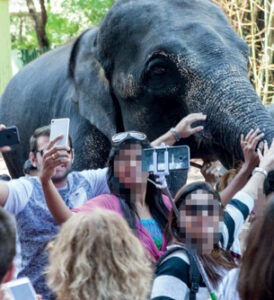
Selfies with animals

Taking selfies, fun? Not with animals that didn 't ask for it and are often defaced to make the selfie even more fun

See List of the 10 cruellest attractions
Playing with wild animals

Dolphins are wonderful animals, and beautiful to watch. But in the wild, in the sea, their natural habitat.
They are also playful, but not to play with for your own enjoyment. That's not what dolphins are waiting for

See List of the 10 cruellest attractions

Animal Attractions

At least 550,000 wild animals are suffering at the hands of providers of cruel, irresponsible tourist attractions. This is according to the first global survey on animal suffering at tourist wildlife attractions.

WildCRU, the Wildlife Conservation Research Unit at the University of Oxford, commissioned this research for WAP. Based on it, a list of the 10 most cruel tourist attractions with wildlife in the world was compiled.

Animals Souvenirs

We spend a lot of money at our holiday destination. What matters is where, on what and how we spend this money.

Endangered animal and plant species

Buying souvenirs is good for the local economy.
Unfortunately, many souvenirs are still made from endangered animal and plant species.

Animal souvenirs

We spend a lot of money at our holiday destination. It matters where, on what and how we spend this money. If we do our shopping at the local retailer, and eat at that local restaurant, our money goes directly to the locals.

Buying souvenirs is also good for the local economy, but unfortunately many souvenirs are still made from endangered animal and plant species. Awareness of this among tourists and souvenir sellers is important to reduce this. Laws prohibiting this are needed to curb the trade in banned souvenirs . Customs in many countries also hands out fines to holidaymakers who come home with souvenirs made from plants and animals.

Adopt

Pets are fun and a joy to have around you. Of course, you can just buy a pet from a breeder or a pet shop. But why not adopt?

Look before you leap

The main reason that shelters are full of cats and dogs is money driven breeding. As a buyer of a puppy, you decide whether you want to support this rogue breeding or not. Therefore refuse to support this cruel industry and help other to recognize unethical practice of puppy mills.

Adopt, don't shop

Would you like a pet?

Go to an animal shelter. Animal shelters are full of dogs, cats and rodents waiting for a warm loving home.
That’s better than spending money at a rogue breeder who sells puppies industrially and purely for profit. And more often than not mistreats the animals.

If you do not have the opportunity to have an animal at home yourself you could, for example, become a volunteer at a shelter: walking dogs, combing cats, cleaning accommodation… A win-win situation!
Checklist Animal Attractions on Vacation

Ask yourself these questions to avoid animal suffering:

1. Can you touch or hold wild animals?
2. Can you wash, feed them, or take pictures with them?
3. Are the wild animals forced to do tricks?
4. Does the guide entice wildlife with food?
5. Can you ride wild animals, or walk or swim with them?
6. Do they sell parts or products made from wild animals?

If the answer to any of these questions is "Yes", it is not an animal-friendly activity.

A simple rule to remember is: if you can have direct contact with a wild animal as a tourist, you are dealing with animal cruelty. Don’t go!

You can also sign petitions to convince Trip advisor, for example, not to promote this animal suffering: wildlife-not-entertainers!

Tips on adopting a pet

Thinking of adopting an animal? Then there are a few important points to consider:

  1. Do your research: Which animal fits your lifestyle? Look at your living situation, work routine and family composition.

  2. Visit several shelters: Take time to get acquainted with different animals. The right match is worth its weight in gold.

  3. Ask questions: Inquire about the animal’s behavior, health and history.

  4. Prepare for adjustment time: Adopted animals sometimes need time to adjust. Patience and love are essential.

  5. Follow your intuition, but be realistic: Falling in love is easy, but also think about long-term care.

Adopting is not pathetic - it is powerful

Adopted animals are not “second choice.” On the contrary: they are unique, grateful and often enormously loyal. By adopting, you make a difference – not just for that one animal, but for the broader problem of strays and overcrowded shelters.

Questions or comments? We' d be happy to help!

If you have any questions about our work, about how you can help us or have any other question, please contact us.

Contact Form EN

If provided, we will store these data. See our privacy policy.

Checklist Animal Attractions on Vacation

Ask yourself these questions to avoid animal suffering:

1. Can you touch or hold wild animals?
2. Can you wash, feed them, or take pictures with them?
3. Are the wild animals forced to do tricks?
4. Does the guide entice wildlife with food?
5. Can you ride wild animals, or walk or swim with them?
6. Do they sell parts or products made from wild animals?

If the answer to any of these questions is "Yes", it is not an animal-friendly activity.

A simple rule to remember is: if you can have direct contact with a wild animal as a tourist, you are dealing with animal cruelty. Don’t go!

You can also sign petitions to convince Trip advisor, for example, not to promote this animal suffering: wildlife-not-entertainers!

Tips on adopting a pet

Thinking of adopting an animal? Then there are a few important points to consider:

  1. Do your research: Which animal fits your lifestyle? Look at your living situation, work routine and family composition.

  2. Visit several shelters: Take time to get acquainted with different animals. The right match is worth its weight in gold.

  3. Ask questions: Inquire about the animal’s behavior, health and history.

  4. Prepare for adjustment time: Adopted animals sometimes need time to adjust. Patience and love are essential.

  5. Follow your intuition, but be realistic: Falling in love is easy, but also think about long-term care.

Adopting is not pathetic - it is powerful

Adopted animals are not “second choice.” On the contrary: they are unique, grateful and often enormously loyal. By adopting, you make a difference – not just for that one animal, but for the broader problem of strays and overcrowded shelters.

Questions or comments? We' d be happy to help!

If you have any questions about our work, about how you can help us or have any other question, please contact us.

Contact Form EN

If provided, we will store these data. See our privacy policy.